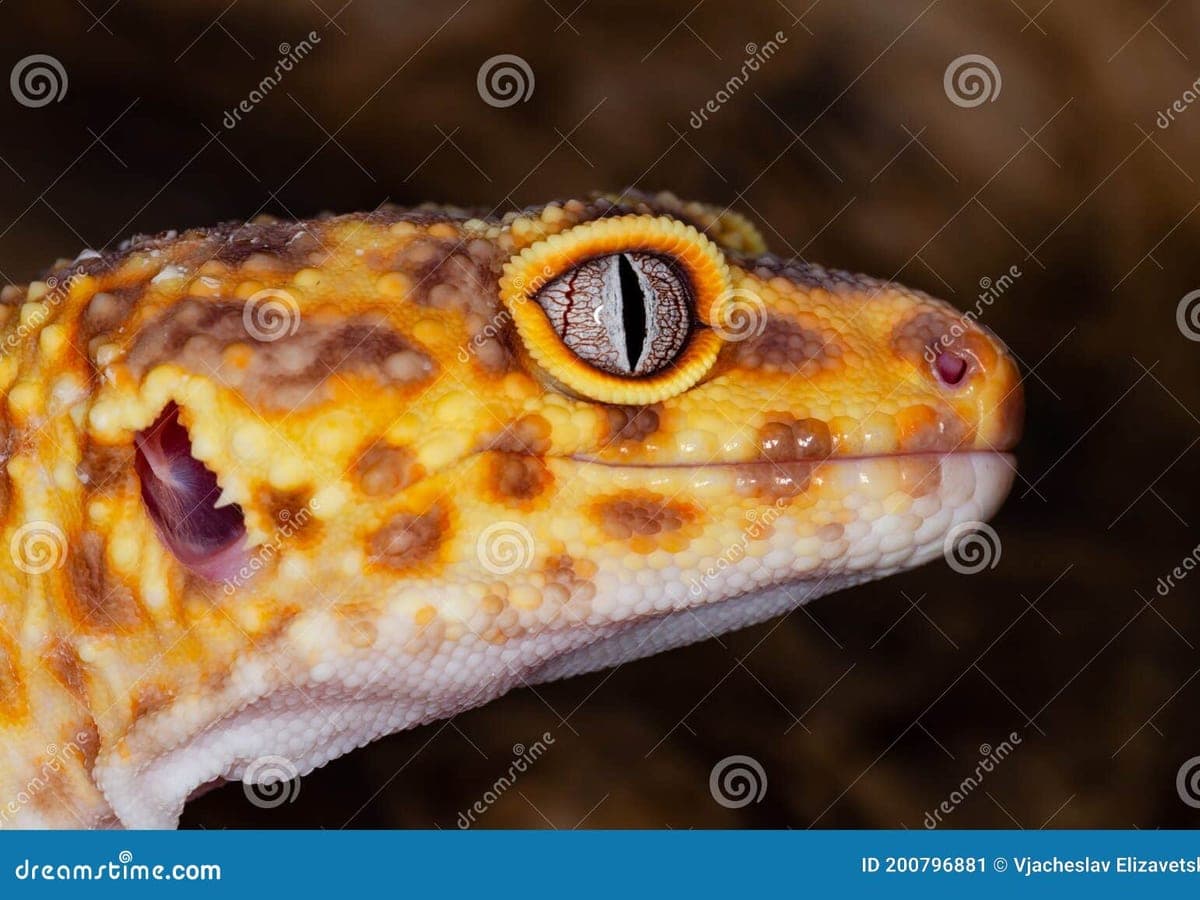
Category overview
Treat culture exists for reptiles too, and it goes wrong the same way it goes wrong for dogs and cats: what began as a rare, deliberate extra quietly becomes an expectation, then a demand, then a health problem with scales. Reptiles earn their treats differently, through hunting work and novel prey rather than biscuits, but the discipline transfers. A treat given on purpose is enrichment and trust-building; a treat given by reflex is junk with better marketing. Telling those two apart is the whole game.
What a Treat Even Means Here
For a reptile, a treat is not a between-meal snack, because most species eat whole meals days apart and their metabolisms do not run on snacking. A treat is an occasional feeder outside the staple rotation: a hornworm, a waxworm, a different roach species, offered rarely enough to stay special. Frequency is the entire definition, since the same insect fed weekly is variety and fed daily is a diet problem. Start from that rule and the rest of the aisle sorts itself out fast.
Selection tips
- Define treats by frequency first; the species of feeder comes second.
- Keep staple feeders and treat feeders in separate, clearly labeled containers.
- Offer treats after normal feeding so nutrition never depends on them.
Hornworms and the Occasional Feeders
Hornworms are the showpiece of the treat feeder world: soft-bodied, bright, and so loaded with moisture that many keepers offer them partly as hydration. Their size grows fast on you, so buy small unless your animal handles big prey. Waxworms sit at the other extreme, fatty little grubs that reptiles adore and that earn their candy-bar reputation honestly; a few at a time, rarely. Butterworms and silkworms round out the tier, each bringing something the staple rotation lacks. The pattern is occasional on purpose, never the base of the diet. As you compare feeder listings, note sizing and counts before committing to a batch.
Selection tips
- Count hornworms as partly water; a hydration boost on a dry day.
- Cap waxworms at a few per sitting; the fat content earns the limit.
- Size hornworm purchases to the animal, since they grow remarkably fast.
What Honestly Counts as Junk
Junk, for reptiles, is less about specific foods and more about ratios: a bearded dragon whose salads vanished under strawberry slices, a monitor living on rodents because insects stopped arriving, a gecko that learned to hold out for waxworms and eats nothing else. Treats become junk the moment they displace staples or train the animal to refuse meals. Processed nibbles marketed as snacks deserve the same squint you give any pet aisle, since an ingredient list built on fillers serves the seller more than the animal. As you compare treat products, simple and species-logical beats colorful every time.
Selection tips
- Watch displacement; treats should supplement a diet, never replace any meal.
- Squint at processed snack products; filler lists serve shelves, not animals.
- Break a holdout cycle by keeping treats unpredictable rather than earned.
Holdouts happen when an animal learns that refusing the salad brings hornworms tomorrow. The fix is patience: offer staples on schedule, keep the treats rare, and most animals return to eating within a stretch of days. If a fast runs long, check with a veterinarian experienced with reptiles.
Enrichment Beyond the Feeder Dish
For a predator, the richest part of a treat is often the pursuit, and you can serve that deliberately. A hornworm released into planted cover gives a monitor a search, a chase, a win; a cricket in a cardboard tube turns feeding into a puzzle. Scatter feeding, hiding feeders under a low piece of cork, or simply offering prey in a new part of the cage all wake up the same wiring. The treat is the object; the hunting is the enrichment. For animals fed from a dish their whole lives, the first live hunt can be a revelation.
Selection tips
- Hide feeders under cover so the meal starts with a real search.
- Rotate hunt styles weekly; novelty is the active ingredient here.
- Skip scatter feeding on loose substrate for impaction-prone animals; use a feeding area.
Hand-Feeding and Slow Trust
Hand-feeding is where treats earn their keep with skittish animals, because it lets a shy gecko learn that your hand brings things rather than takes them. Begin with long feeding tongs and generous distance, shortening both over weeks as the animal relaxes. Fingers come last, and only for species whose food response is calm; a nail is not a fair price for a photo. Move slowly, approach from the side rather than overhead, and accept that some animals will always prefer the tongs, which is their right.
Selection tips
- Start with long tongs and patience; distance shrinks on the animal's schedule.
- Approach low and from the side; overhead reads as danger.
- Respect a permanent preference for tongs; not every species wants fingers.
Reading Refusals and Reading Weight
A refused treat is information, not insult. Seasonal appetite dips, approaching sheds, breeding season restlessness, and simple fullness all suppress enthusiasm, and none of them mean the hornworm was wrong. Weight is the other ledger: fat tails on geckos, heavy jowls on monitors, a rounder midsection on a lizard that used to race for food, all quietly noting that treats have drifted from occasional to constant. Adjust the routine before the body insists. And when refusal stretches into weeks or pairs with lethargy, check with a veterinarian experienced with reptiles rather than waiting it out.
Selection tips
- Weigh trends matter more than any single refused treat.
- Cut treat frequency the moment weight starts creeping.
- Log refusals with dates; patterns emerge that single misses hide.