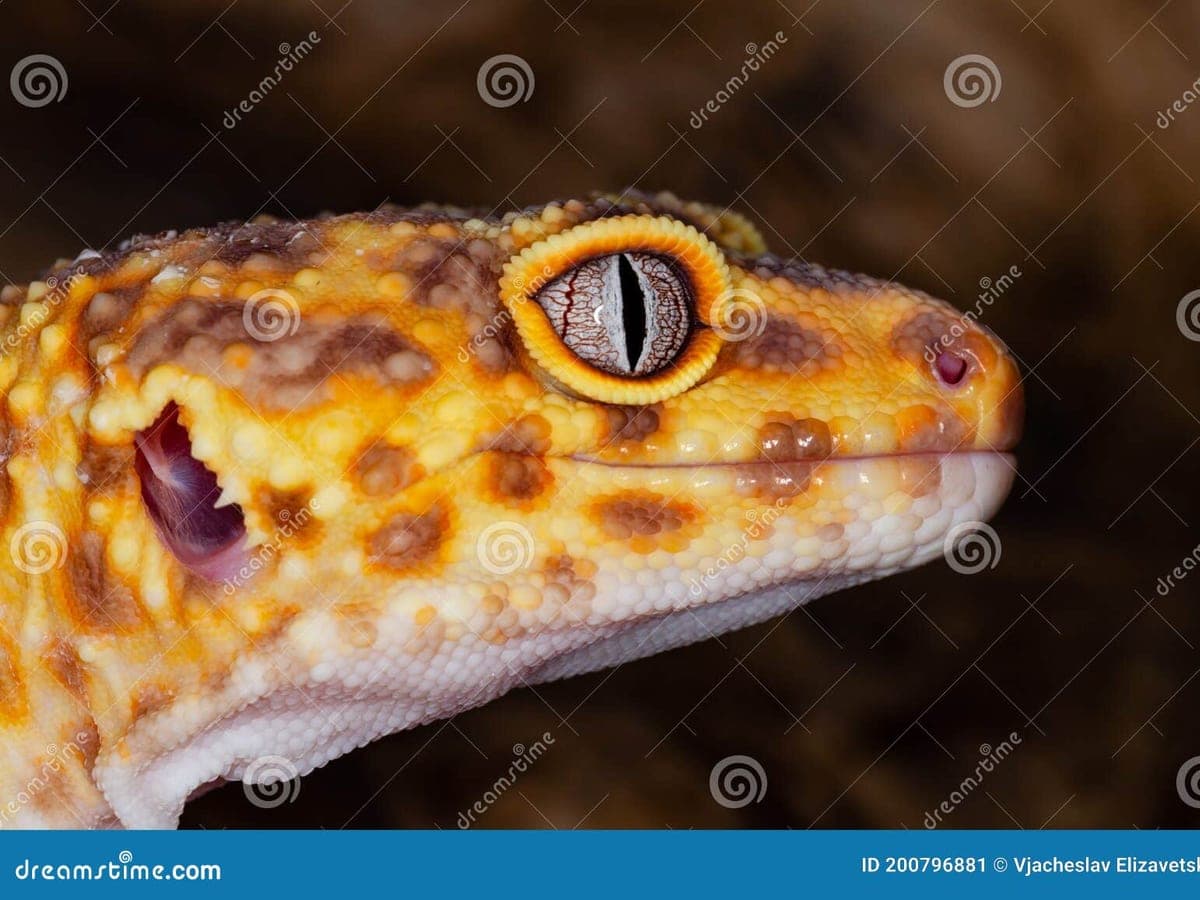
Category overview
The bulb over a reptile is not there so you can see the animal; it is there so the animal can run its own biology. UVB light lets skin manufacture vitamin D3, which lets the body use calcium, which keeps bones and shells built. Skip or botch that chain and the animal pays for months before anything looks wrong. Fixtures, distances, and day cycles are the machinery that keeps the chain intact, so here is how to shop the lighting shelf with the animal's chemistry in mind.
What UVB Actually Does Under the Skin
UVB is a band of ultraviolet that triggers a chemical step in the skin, converting a cholesterol-like compound into the beginnings of vitamin D3. That vitamin unlocks dietary calcium, and without the unlock, the body pulls calcium from bone regardless of how much powder you dust. Diurnal basking lizards need it strongest, many forest species need it gentler, and whole-prey snakes generally collect enough from their diets to manage without. The question for any species is intensity and hours, never simply whether light looks bright.
Selection tips
- Research your species' UVB intensity needs before buying any bulb at all.
- Whole-prey snakes often need none; diurnal basking lizards need the most.
- Treat brightness and UVB as separate specs; one does not imply the other.
Swollen limbs, a rubbery jaw, or a lizard that trembles while walking can signal advanced bone disease from a broken UVB and calcium chain. Check with a veterinarian experienced with reptiles promptly; these cases respond best when caught early.
Tubes Spread, Coils Concentrate
A linear UVB tube casts usable ultraviolet across most of the enclosure's length, so an animal gets exposure wherever it chooses to sit. A compact coil screws into a normal dome and lights a much smaller footprint, which suits narrow tanks or a starter setup on a tight budget. The honest weakness of coils is coverage shape: strong close in, weak at the far end, which is exactly how a gradient of a different kind gets lost. Match tube length to the cage width, and you rarely regret it.
Selection tips
- Size the tube to span most of the enclosure, not just one corner.
- Reserve coils for small tanks where their narrow reach covers the animal.
- Add a reflector hood; a bare tube loses output in every direction.
Distance and the Mesh Tax
UVB falls off fast with distance, so the gap between lamp and basking branch is a setting, not an accident. Every centimeter matters most for high-output bulbs, which is why manufacturers print distance ranges on the packaging and why measuring beats eyeballing. Then comes the mesh: a screen top blocks a real share of UVB before it ever reaches the animal, so a bulb sitting above mesh needs to be stronger or closer than the label's bare-bulb figure. Mounting under the mesh, with a guard, buys the full output back.
Selection tips
- Measure from the tube to the animal's highest basking point, tape measure out.
- Account for mesh loss by following the bulb's screened-figure guidance when given.
- Raise or lower fixtures with chain or risers rather than guessing wattage.
Day Length and the Honest Night
Photoperiod is the schedule half of lighting, and reptiles read it keenly: steady day lengths tell seasonal time, trigger breeding condition, and frame activity. A consistent on-off rhythm matters more than minute-perfect sunrise, so put the day lamps on a timer strip and let the wall remember it. Nights belong to darkness; most reptiles have no use for a lit night, and colored bulbs sold for midnight viewing often disturb sleep more than they soothe. If night warmth is needed, the heater aisle, not the lighting aisle, owns that job.
Selection tips
- Timer the day lamps; a schedule kept by memory drifts within weeks.
- Pick one day length and hold it steady until you mean to change seasons.
- Keep night light out of the enclosure; darkness is part of the cycle.
Mercury Vapor Bulbs and Combo Honesty
Mercury vapor bulbs bundle heat and UVB in one glowing package, and the convenience is real: one fixture, one cord, one basking spot that does everything. The trade-offs deserve equal billing. Most cannot be run on a dimming thermostat, so heat control falls to distance and fixture choice. Their UVB is intense, which suits sun-loving desert species but overwhelms shade dwellers if distance goes unchecked. And when one function fades, you replace the whole bulb. Separate lamps cost more sockets but let each job be tuned and replaced alone.
Selection tips
- Weigh the mercury vapor's no-dimming limit against your thermostat before committing.
- Keep intense combo bulbs at the distance the instructions state, measured.
- Prefer separate fixtures when you want heat and UVB tuned independently.
| Format | UVB Coverage | Heat Included | Best Use |
|---|---|---|---|
| Linear tube | Wide, even span | No | Most enclosures, all species |
| Compact coil | Narrow cone | No | Small tanks, budget starts |
| Mercury vapor | Strong flood | Yes | Desert baskers, big cages |
Fixtures That Fit the Cage
A bulb is only half a purchase; the fixture decides whether it performs. Domes and hoods with built-in reflectors throw output downward instead of wasting it into the room, and ceramic sockets tolerate the heat of high-wattage basking lamps far better than plastic shells. Check the fixture's length against a linear tube, its mouth against a deep-domed basking bulb, and its mounting options against your lid or frame. As you compare fixtures across listings, the wattage rating printed on the socket should be your first filter, before style or price.
Selection tips
- Match ceramic sockets to any lamp hot enough to worry the plastic ones.
- Buy reflector hoods for tubes; bare bulbs waste half their output.
- Confirm mounting hardware fits your screen, frame, or stand before checkout.
Bulbs That Die in Silence
A UVB bulb keeps looking perfectly lit long after its ultraviolet output has faded into ordinary light, which makes it the only pet product that fails while appearing to work. Most manufacturers advise replacing tubes on the order of yearly, some sooner, and the schedule belongs on your calendar rather than your intuition. Write the install date on the fixture with a grease pencil the day you hang it. When you shop replacements, judge any bulb you're browsing by its stated output range and replacement interval rather than promises of lasting brightness.
Selection tips
- Note replacement dates next to feeding reminders so neither slips quietly.
- Budget a yearly tube replacement as routine, not as an emergency purchase.
- Swap tubes on schedule even when they still glow brightly.
A grease-pencil install date on the hood ends the guessing. When the calendar says replace, replace, even if the tube still glows like new.