Category overview
Every substrate has a philosophy, and the liner's is blunt: the floor is a surface to be cleaned, not a habitat to be interpreted. A washable sheet means you see every dropping, spot a missed cricket instantly, and reset the whole cage between breakfast and coffee. You give up digging, burrowing, and the look of a forest floor, and for many animals that is a real loss. But for hatchlings, quarantine rooms, and keepers with full schedules, liners quietly beat everything else, and the reason is worth understanding.
The Liner Idea in One Sentence
A cage liner is a cut-to-fit sheet laid directly on the enclosure floor, pulled out entirely for cleaning rather than scooped or sifted in place. That single mechanical difference changes the whole cleaning rhythm: instead of spot-treating a granular floor, you carry the floor itself to the sink. Feeder insects have nowhere to hide, waste sits in plain view, and a full reset takes minutes. The approach asks something of you in return, namely honesty about which animals genuinely need loose footing and which simply look nicer on it.
Selection tips
- Ask what the floor is for: digging, drainage, or nothing at all.
- Picture the weekly cleaning ritual before choosing any flooring for the cage.
- Remember that sightlines matter; visible waste catches problems earlier.
Where Liners Beat Loose Floors
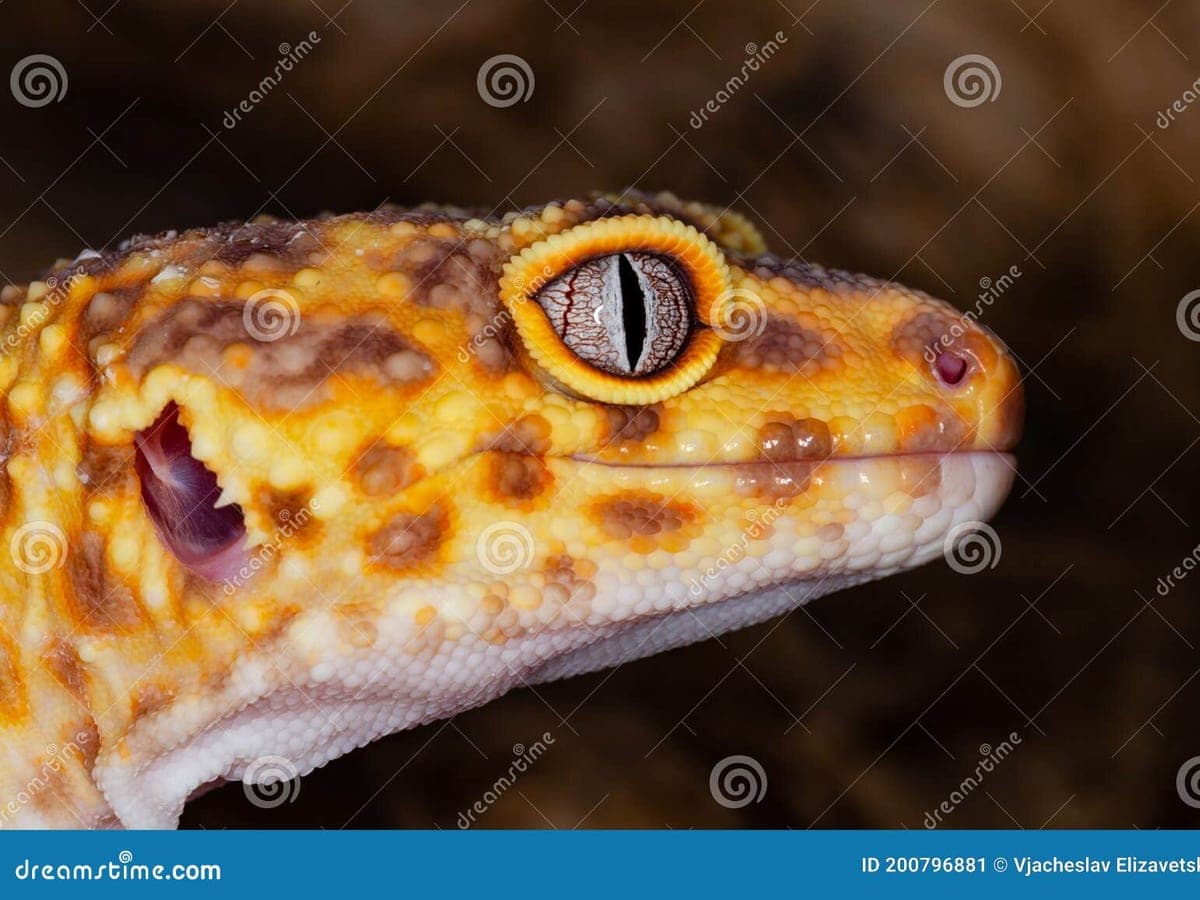
Hatchlings are the clearest case. A young gecko hunting in loose particles can swallow substrate with its prey, and the liner floor removes the hazard entirely while also making tiny droppings impossible to miss. Quarantine is the second case: a new arrival needs a floor you can disinfect to a standard, not one with pores, and the liner plus paper-towel approach is what many veterinary hospitals use for exactly that reason. Recovery from injury or surgery is the third, where clean and simple beats natural and complicated.
Selection tips
- Default to liners for hatchlings until hunting accuracy is proven.
- Run new arrivals on disinfected liners for their full quarantine window.
- Keep a dedicated quarantine set that never enters the permanent cages.
Whatever liner you buy, cut a second one immediately so a soiled floor can be swapped for a clean one while the dirty sheet soaks. The rotation is what makes the system effortless.
Materials on the Liner Shelf
The shelf holds a few honest options. Fleece and reptile carpet are soft, machine-washable, and gentle on feet, but their fibers can snag claws if edges fray. Rubberized shelf liner with an open mesh drains water and grips well for humid setups. Smooth non-porous sheets wipe down in seconds and suit quarantine perfectly. What you want to avoid is anything adhesive-backed: glues under heat and humidity can leave residue and fumes you would never invite into a closed habitat. As you compare liner products, check for fraying at cut edges first; tidy edges predict a long working life.
Selection tips
- Wash new liners before first use to remove sizing and factory residue.
- Trim fraying edges immediately; a snagged toe is a bad week.
- Skip adhesive-backed shelf products entirely inside a warm, humid enclosure.
Frayed carpet fibers and pulled loops can wrap a gecko's toe tightly enough to cut circulation. Trim frayed edges the day you notice them, and retire any liner that keeps unraveling.
Sizing and Cutting for a Flat Fit
Measure the enclosure floor inside the frame lip, then cut the liner slightly small so edges cannot buckle into hills that trap waste underneath. A single sheet beats patchwork pieces, which curl at the seams and give crickets permanent housing. Mark water bowl and hide positions mentally, because flat contact under heavy objects is what stops the edges from lifting. If the enclosure has a molded floor texture, a slightly thicker liner will conform to it after a day of settling under the warm side's heat.
Selection tips
- Cut inside the measured line; a slightly small sheet beats a buckled one.
- Use one sheet per floor; seams curl and shelter escapee crickets.
- Weigh down lifting corners with a hide or bowl until the sheet relaxes.
Running the Rinse and Replace Cadence
The cadence is simple and worth protecting. Spot clean daily with the liner in place, lifting soiled spots with a paper towel rather than scrubbing the whole sheet. Weekly, swap the liner out for its clean twin and rinse the soiled one in hot water with a reptile-safe disinfectant, then dry it fully before storage; a damp liner folded into a bin grows exactly what you would guess. Deep clean monthly with everything out of the cage, which is also the right moment to inspect the floor seams and cord exits you usually ignore.
Selection tips
- Spot clean daily without pulling the sheet; full swaps are weekly events.
- Dry washed liners completely before storing them, every single time.
- Reserve the monthly empty-out for floor seams, cord gaps, and gauge checks.
Retiring Liners Without Guilt
A liner is a consumable, not an heirloom. Edges that curl after the third wash, fibers gone thin at the warm end, a smell that survives disinfectant: all of these are retirement signals, and stretching past them trades five minutes of savings for weeks of questionable floor. Keep the rotation honest by dating each sheet with a marker when it enters service. When you restock, judge any liner you're browsing on material thickness, washability claims, and cut-to-fit instructions rather than looks.
Selection tips
- Retire sheets at the first curl that survives a wash cycle.
- Date each liner when it enters service; rotations need receipts.
- Keep one spare cut and shelved at all times, ready to swap.