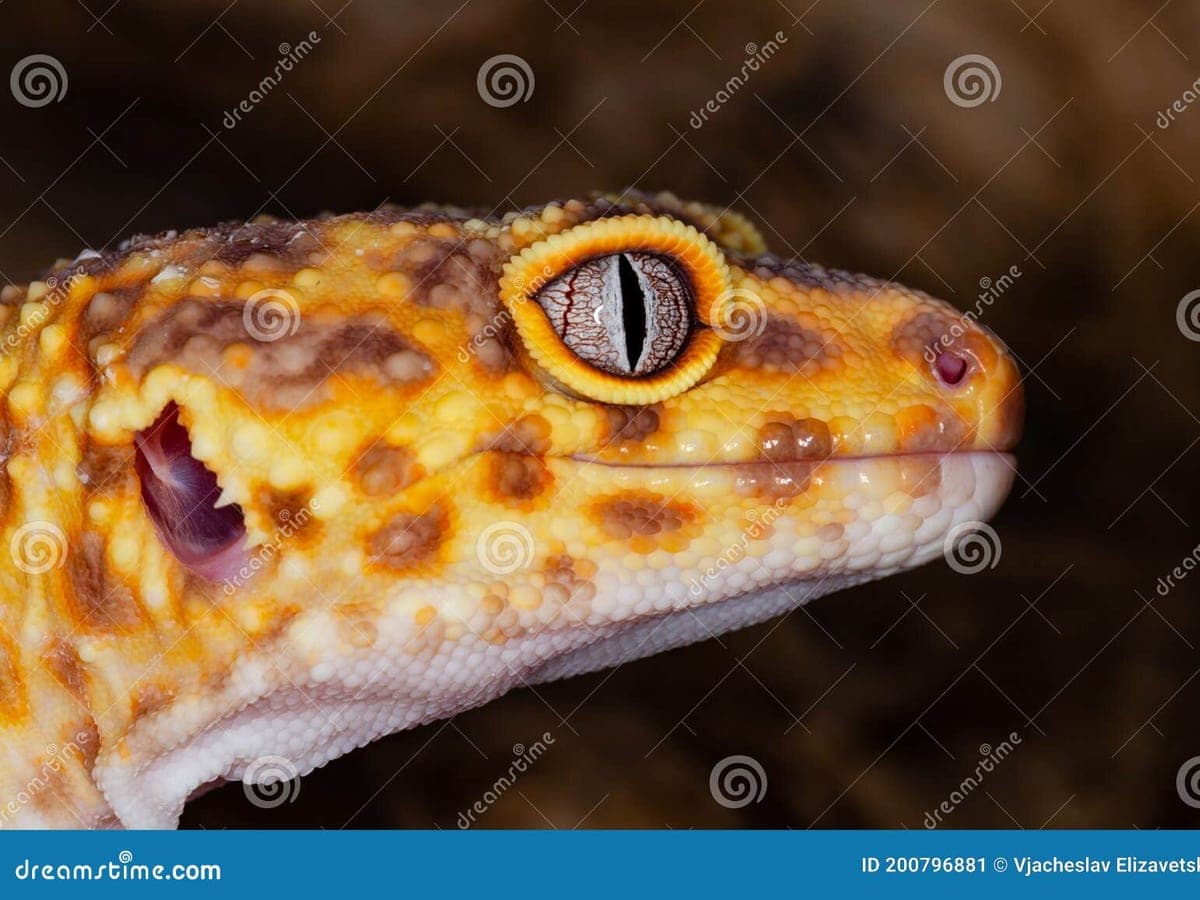
Category overview
A cricket is a decent meal with a flaw: its body runs short on calcium and long on phosphorus, and a reptile eating only crickets inherits that imbalance. Dusting exists to correct it, a few seconds of powder that quietly decides whether the calcium you feed becomes bone. The routine itself is easy; the confusion lives in the details, which jar to use, how often, and what the insects themselves ate beforehand. Those details are the whole article, so let us take them in order.
Why the Dusting Jar Exists
Insects are convenient prey with an inconvenient mineral profile: far more phosphorus than calcium, the reverse of what a growing reptile's skeleton demands. Left alone, an insect-only diet slowly tips the balance the wrong way, and the body manages the shortfall by drawing on its own bones. Dusting flips the arithmetic in seconds. Whole-prey feeders dodge most of the problem, since mice, rats, and chicks arrive nutritionally complete, which is why snake keepers rarely own a powder jar at all.
Selection tips
- Match the routine to the diet; insect eaters need it, whole-prey snakes rarely do.
- Keep growing animals and egg-laying females on the most consistent schedule of all.
- Remember the goal is balance, not abundance; powder is a correction, not a topping.
Calcium With D3 or Without It
Vitamin D3 is the key that unlocks dietary calcium, and your lighting decides whether the animal already carries a key of its own. Under strong, well-managed UVB, skin makes D3 naturally, so plain calcium without D3 is the standard choice and the safer one to use liberally. Little or no UVB, whether by species or setup, shifts the job to the powder, and calcium with D3 covers the gap. Since the vitamin can be oversupplied, more is not better; the jar you reach for should follow the lighting you actually run.
Selection tips
- Pair plain calcium with strong, regularly replaced UVB bulbs in the fixture.
- Reserve D3 formulas for setups and species with little ultraviolet exposure.
- Split the difference only on advice from an exotics-savvy veterinarian, not guesswork.
Write your lighting setup on a note and tape it inside the supplement cupboard. Strong UVB, plain calcium; weak or none, calcium with D3. The note settles the debate every shopping trip.
A Dusting Routine You Can Keep
The best schedule is the one you will actually follow, so build it around feedings rather than the calendar. A workable pattern for many insect-eaters: plain calcium at most feedings, a multivitamin swap every week or two, and heavier dusting for juveniles and breeding females. Technique is a plastic bag or cup, a pinch of powder, gentle shaking until the insects look lightly frosted, and immediately offering them before they groom the coating off. Consistency beats precision; a routine you keep outranks a perfect one you abandon.
Selection tips
- Anchor the routine to feeding days so the habit survives busy months.
- Dust in a bag, shake gently, and offer feeders before they clean themselves.
- Dust more heavily for hatchlings and laying females; adults need less.
Multivitamins at a Gentle Cadence
Multivitamins carry fat-soluble vitamins that the body stores rather than flushes, so the cadence stays light: swapping them in for the calcium dusting every week or two suits most insect-eaters, with label directions as the tiebreaker. If you notice a jar's directions pushing daily use of everything, read closely before doubling up on anything already covered by your calcium routine. Variety in the feeder rotation does quiet work here too, since different insects bring different micronutrients to the table. As you compare jars across listings, short ingredient lists with clear D3 labeling are the workhorse choices.
Selection tips
- Rotate multivitamin dusting in weekly or biweekly, following the label's own guidance.
- Watch for overlap; calcium-plus-vitamin formulas stack up faster than plain powders.
- Vary feeder species when you can; rotation is quiet nutrition insurance.
Gut-Loading as the Other Half
Dusting sits on top of whatever the insect last ate, which means a cricket hauled straight from a bare container carries almost nothing worth delivering. Gut-loading fixes that: feed the insects a nutritious diet for a day or two before they become dinner, so their crops arrive full of the good stuff. Commercial gut-load formulas exist, and fresh vegetables and quality greens contribute too. The sequence is the part keepers miss; loaded insects should move from the loading tub to the reptile promptly, before they burn through what you just fed them. As you compare gut-load products, formulas that list actual ingredients beat mystery blends.
Selection tips
- Start the loading tub a day or two ahead of every feeding day.
- Offer moisture as well as food; a slice of vegetable covers both.
- Feed loaded insects promptly, before they use up the nutrients themselves.
When Powder Cannot Rescue the Setup
Supplements are a supplement, not a foundation, and no jar fixes weak UVB, a flat gradient, or a feeder rotation of one species. Bone health is built by the triangle: lighting that works, temperatures that let digestion run, and insects that arrive already fed. If a reptile on a diligent routine still shows thin tails, soft jaws, tremors, or laying hens struggling, the answer is not more powder. Check with a veterinarian experienced with reptiles, and audit the lights and heat while you wait for the appointment.
Selection tips
- Audit lighting and heat before reaching for heavier doses of anything.
- Rotate at least two staple feeder species when availability allows it.
- Bring your exact supplement routine to the appointment; details help diagnosis.
A reptile that stops eating, trembles, or shows swelling despite good supplementation needs hands-on help. Have an exotics-savvy veterinarian examine the animal rather than adjusting doses at home.