Category overview
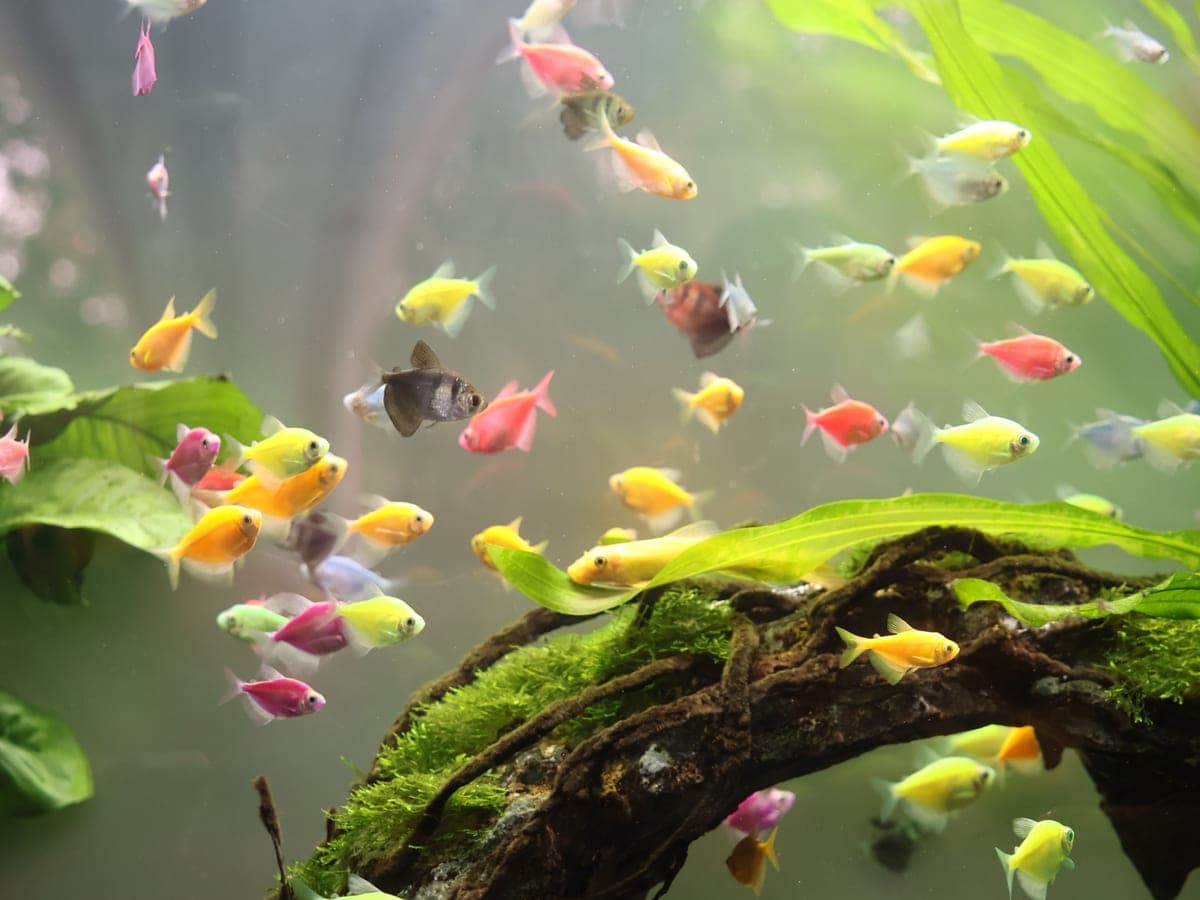
Watch a fish in a bare tank and you will see pacing, glass-surfing, and the flat exhaustion of an animal with nowhere to be. The same fish given caves, plants, and shade lines settles into confident patrol, visible more and hiding less, because cover paradoxically makes fish braver. Decor is not cosmetic. It is territory, security, and shade, and choosing it well is one of the kindest things you do for the animals in your care.
Why Hides Lower Stress
Cover works because threat and safety are the same calculation to a fish: how far am I from somewhere to disappear. A tank with caves, plant thickets, and overhangs offers that exit everywhere, so the fish relaxes into the open water between them. Bare tanks remove the exits, and the fish reacts by pacing the glass, hiding behind a heater, or wedging into filter corners. Shaded zones matter too, since a dim corner gives respite from bright light. More cover, more visible fish; every experienced keeper notices eventually.
Selection tips
- Give every fish a bolt-hole within a few body lengths.
- Include dim zones; bright constant light exhausts shy species.
- Expect braver fish after adding cover, not shyer ones.
Smooth Edges for Bettas and Fancy Fins
Bettas and other long-finned fish wear fabric that snags, so texture is a safety question, not a style one. Rough ceramics, coarse resin textures, and sharp plastic plant edges all tear flowing fins, and torn fins heal slowly and leave the fish vulnerable. The classic field test costs nothing: draw a pair of stockings over the piece, and anywhere the fabric catches, a fin will too. Silk plants and smooth ceramics let elaborate fins trail safely.
Selection tips
- Run the stocking test on every piece headed for fancy-finned fish.
- Prefer silk plants over stiff plastic where long fins trail.
- Sand or file rough seams on ceramics before they enter water.
Stretch a thin stocking over any decor candidate and run it across every surface, especially seams and leaf tips. A snag means a torn fin later. This two-minute habit saves fancy fish from weeks of recovery.
Caves and Cichlid Territory Logic
Territorial cichlids read decor as real estate, and the layout either spreads their aggression or concentrates it. Multiple caves spread across the footprint give rivals separate holdings and broken sight lines, so chasing cools between encounters. One hero cave, by contrast, makes a single tyrant. Stack rockwork sturdily, resting directly on the tank base where possible, since diggers undermine towers that float on substrate. The aquascape becomes the peace treaty you renegotiate with every rearrangement.
Selection tips
- Offer more territory marks than there are territory holders.
- Break sight lines with rock and wood to cool chases.
- Rest heavy rockwork on the tank base, not on sand.
Planted Looks and Living Cover
Live plants are decor that feeds the ecosystem: they sip nitrate, oxygenate by day, and grow into cover no plastic piece matches. The trade is care, since lighting, root tabs, and occasional trimming enter the deal, and some fish bulldoze the whole plan. Silk plants deliver the softness and hiding density without the horticulture, which suits low-light tanks and destructive goldfish alike. Choose by honesty about your routine, not by photography, because dead plants decorate nothing. As you compare live and silk plant listings, weigh the look against the routine you honestly keep.
Selection tips
- Start with forgiving stem plants before investing in carpets.
- Pick silk where fish dig, uproot, or shade everything.
- Plan growth: today’s sprig is next season’s jungle.
Resin Safety and the Pre-Soak
Resin ornaments are aquarium-safe when made for aquariums, and the keywords are made for. Give new pieces a thorough rinse and a soak in a bucket of treated water before they meet the tank, which releases surface residues and lets strong-smelling pieces off-gas where fish are not. Inspect for seams, air bubbles, and paint that flakes at a fingernail's touch, and retire anything degrading. Decor from the craft store, with metal parts or unknown paints, stays out of water entirely.
Selection tips
- Soak new resin decor in clean treated water for days first.
- Reject pieces with flaking paint, bubbles, or sharp hidden seams.
- Keep craft-store ornaments out; only aquarium-made pieces go in.
A sharp chemical smell from new resin usually fades with a few days of soaking in clean water. An odor that survives a week deserves skepticism, and skeptical pieces stay out of the aquarium.
Layout That Reads as Territory
Arrangement decides whether decor reads as cover or as clutter. Cluster pieces into a few strong territories instead of scattering singles, leave continuous swimming lanes along the glass, and press bases deep enough that digging fish cannot topple anything. The table pairs common materials with their honest strengths. As you compare decor listings, picture each piece doing a job here rather than filling a space.
Selection tips
- Press decor bases into substrate so burrowers cannot undermine them.
- Keep one clear swim lane open along the main viewing glass.
| Material | Honest strength | Watch-out |
|---|---|---|
| Ceramic caves | Permanent, smooth, easy to clean | Check seams for rough patches |
| Resin ornaments | Light, detailed, cheap to replace | Soak first; watch paint quality |
| Live plants | Cover that sips nitrate and grows | Needs light, feeding, and trimming |
| Silk plants | Soft finsafe cover with no care | Fades over years in bright light |
| Natural wood and stone | Authentic territory and tannin shade | Some pieces shift water chemistry |