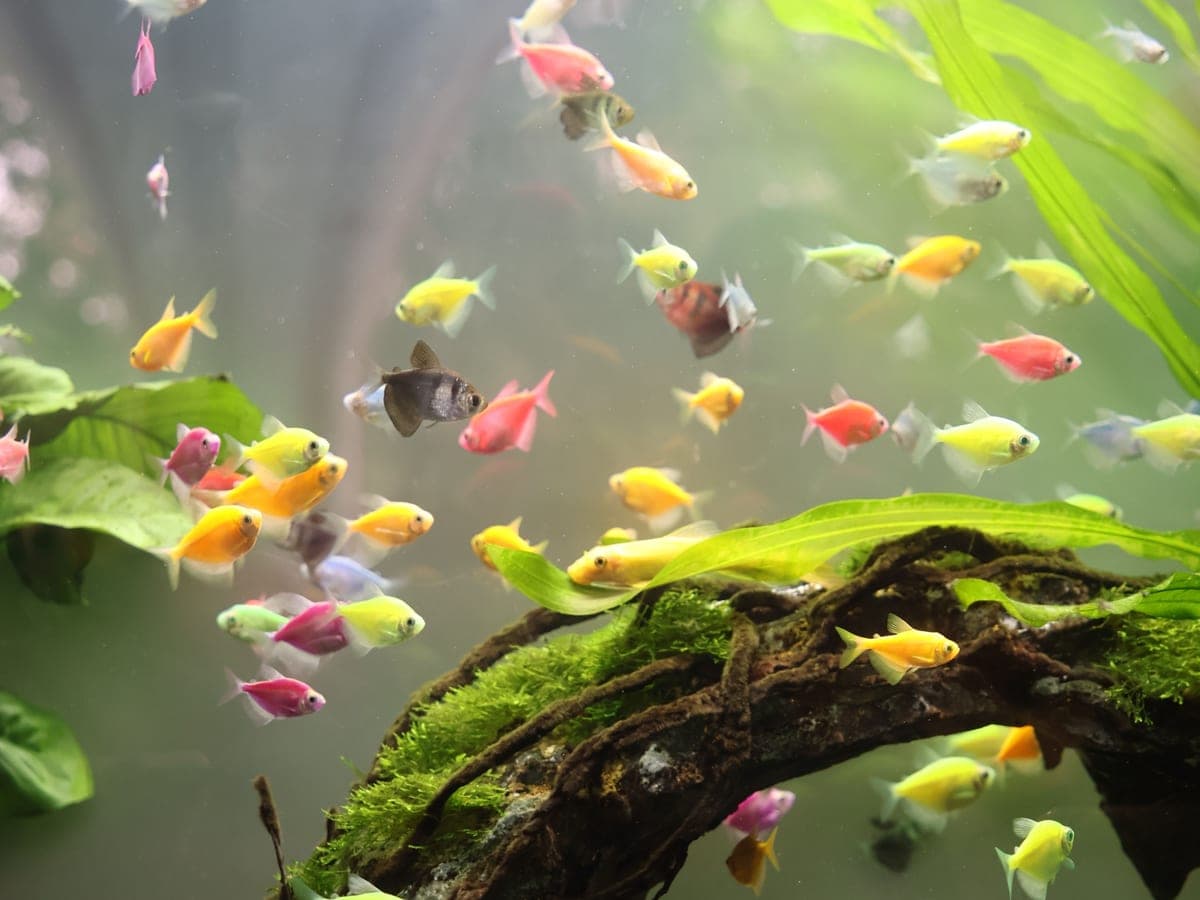
Category overview
Have you ever stood in the aquatics aisle and wondered which boxes your tank actually needs? The department sorts itself once you stop browsing products and start browsing jobs. Everything on the shelf answers one of four calls: shape the environment, clean the system, feed the mouths, or answer trouble when it arrives. This article maps each cluster to its ecosystem role, so the next cart you build serves your water rather than your impulse.
Environment Gear Shapes the Water
Heaters, filters, lights, and substrate are not accessories to the ecosystem; they are its skeleton. A heater holds a tropical tank steady where room temperature wanders, a filter houses most of your bacteria while polishing the water, lighting sets both plant growth and your viewing pleasure, and substrate gives roots and beneficial biology a place to live. Size each one to your actual tank volume rather than eyeballing it, because undersized heating and filtration are the two quiet failures behind most struggling setups.
Selection tips
- Match heater and filter ratings to your tank volume, with a little headroom.
- Tropical fish generally need a heater; cool-water species may not.
- Pick substrate for the fish and plants you actually plan to keep.
A filter rated slightly above your volume handles stock growth and messy species without working at its ceiling. Sizing heaters, though, wants precision, since oversize swings the temperature.
Maintenance Tools Clean What You Cannot
Siphons, algae scrapers, test kits, and a dedicated bucket form the workbench of the hobby, and they earn their keep every single week. Water changes are the heartbeat of the ecosystem, diluting nitrate the bacteria leave behind, and the tools simply make that rhythm quick and tidy. The accessories article in this family digs into choosing each tool; here the point is the role. As you compare maintenance gear, weigh the items you will reach for weekly above anything clever.
Selection tips
- Build the weekly kit first: siphon, scraper, tests, and a fish-only bucket.
- A test kit is maintenance gear, not a novelty; readings drive every change.
- Choose tools sized to your tank depth and your own reach.
Feeding Supplies Feed the System
Food is the one input that becomes everything else: growth, color, energy, and, uneaten, straight ammonia. Choose diets for the mouths you actually keep, since surface feeders, bottom feeders, and grazers eat from different levels and prefer different formats. Frozen and freeze-dried options round out nutrition, and automatic feeders cover vacations when portioned carefully. Whatever the format, the feeding habit matters more than the brand on the front: small meals, finished fast, beat generous dumping every time.
Selection tips
- Match food format to feeding level: flakes up top, pellets and wafers below.
- Feed portions that vanish within a couple of minutes, once or twice daily.
- Test an automatic feeder for portion accuracy before you leave on vacation.
The Health Aisle Answers Trouble
Dechlorinator is the quiet hero of this aisle, making tap water safe by neutralizing chlorine and chloramine before either touches your bacteria or your fish. Bacterial starters can seed a new cycle, aquarium salt suits some species and harms others, and medications are real medicine with real instructions. Read every label twice and dose exactly. When illness shows up as lesions, bloating, or strange swimming, check with a veterinarian comfortable with fish before reaching for a bottle and guessing.
Selection tips
- Condition every drop of tap water; chloramine harms bacteria and fish alike.
- Confirm any salt or medication suits your exact species before dosing.
- Test water first when fish act off; chemistry explains most odd behavior.
Symptoms overlap constantly in fishkeeping: the same clamped fins can follow stress, poor water, or infection. An aquatic-savvy veterinarian can tell them apart, and a water test comes before either.
Matching Gear to Volume and Species
A twenty-gallon community of tetras and a forty-gallon cichlid territory are different shopping lists wearing the same label. Filters want turnover suited to the bioload, heaters scale with volume, lighting follows plants, and decor follows behavior: caves for claimants, open water for schools, soft cover for shy fish. Shop the species first and the equipment second, and the aisle stops being a wall of boxes. The same check works for anything you are considering for a tank you already own.
Selection tips
- Write your intended species list before shopping any equipment aisle.
- Size filtration to the messiest adult fish you plan to keep.
- Let behavior drive decor: territories, schools, and hiding cover differ.
The Aisle Map at a Glance
Four clusters, four jobs, one ecosystem. The table below compresses the department into the map worth keeping in your head while you shop. Each row is a buying priority ranked by how soon a new tank needs it, from day-one chemistry to the someday shelf of nice-to-haves.
Selection tips
- Buy environment and maintenance basics before any fish ride home.
- Expand the health shelf gradually as your experience and stock grow.
| Cluster | Job in the ecosystem | Buy it when |
|---|---|---|
| Environment | Sets temperature, flow, light, and surfaces | Day one, sized to your tank |
| Maintenance | Dilutes waste and keeps glass and gravel honest | Day one, before the first fish |
| Feeding | Fuels growth without flooding the tank with waste | With your first fish, matched to species |
| Health | Treats water and answers trouble when it comes | Dechlorinator day one; the rest as needed |